

- AI / Orchestration / Operations
- Future of Work
The Distance Between Thought and Thing
What changes when the distance between a question and what we can create to explore it begins to collapse, and judgment becomes a harder skill?
UX, Product & Systems Design
We design products, processes, and adaptive systems around the people who use them. Accessibility is built in. Capability stays with the team.
40%
faster production
50%+
lower delivery cost
18%
fewer accessibility defects
Results from shipped enterprise work
See the case studySome opportunities are obvious. Others hide inside products and processes that already work. We find them and design what comes next.
Research, observation, analytics, and workflow analysis reveal improvements that are hard to see from inside.
UX research · Analytics · Workflow analysis · Systems thinking
Design new products or improve existing ones around real needs, constraints, evidence, and outcomes.
UX strategy · Product design · Prototyping · Testing · AI product design
See how people actually work, then make workflows, services, and handoffs clearer and faster.
Process design · Service design · Operations · Automation
Design the structures around the work so quality holds as teams and products grow.
Design systems · Governance · DesignOps · Adaptive systems
Build accessibility into products, processes, and delivery from the start, not at the end.
Digital accessibility · WCAG · Reviews · Standards
Leave the team stronger. Skills, standards, and knowledge stay after the engagement.
Workshops · Mentoring · Coaching · Critique · Training
Not sure which of these you need? Most work spans several.
Discuss a projectReal projects. Measurable outcomes.
Enterprise
UX Design Lab helped a global enterprise replace fragmented delivery with a governed design system and coded source of truth, reducing production time by 40%, lowering delivery costs by more than half, and cutting accessibility defects by 18%.
Read case study: Design system governance at enterprise scaleLogistics
UX Design Lab used immersive field research and service design to turn fragmented logistics coordination into a role-aware operational platform, improving workflows by 35%, reducing communication incidents by 21%, and cutting role involvement by 70%.
Read case study: Service design for complex logistics operationsHealthTech
UX Design Lab designed a mission-critical IVF support experience under extreme timeline pressure, using a global follow-the-sun workflow to deliver a high-fidelity prototype in 45 days and help support the client’s next funding round.
Read case study: Rapid product design for a high-stakes health experienceUnderstand first. Align people. Change the right thing. Leave it stronger.
Find the actual condition — people, workflows, evidence and constraints — before prescribing what should change.
Make the problem visible and shared, so the people responsible can decide around one picture.
Change the right thing: a product, workflow, system or governance model — or not software at all.
Transfer ownership, measure and improve, so the work keeps getting better after we leave.
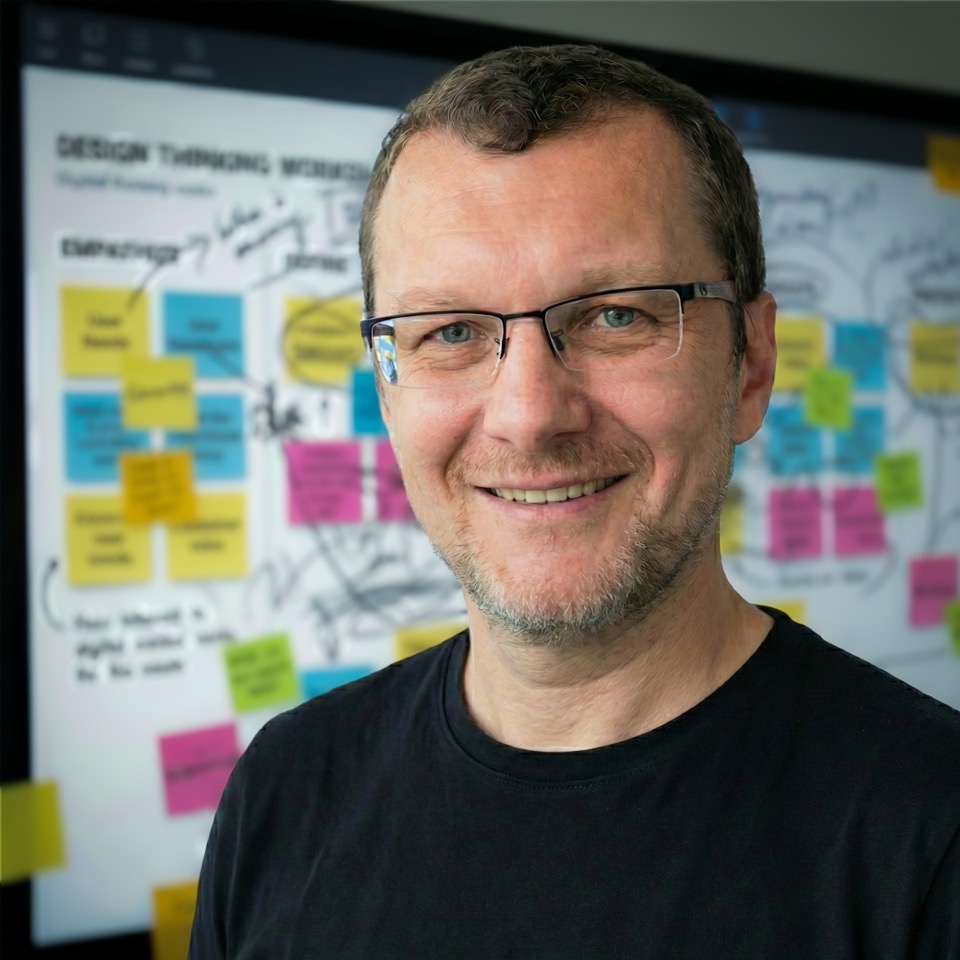
Pavel Bukengolts leads UX Design Lab. He has designed products, services, and systems for enterprise, healthcare, and startup teams, and he teaches UX.
You work with him from the first conversation to the final review. Trusted specialists join only when the work needs them.
Recognition
ADPList 100
Recognized among the top mentors on ADPList.
2026 GNTC Tech Educator of the Year
Finalist, Greater Nashville Technology Council.
UX Magazine contributor
Published on product, accessibility and AI practice.
“The UX design of the security portal should become the standard for security software across healthcare.”
“They changed the way we look at existing processes and helped us save up to 47% of the time required to deliver certain workflows.”
“They introduced a new development approach that will likely become an internal standard for the foreseeable future.”
How we think about products, processes, accessibility, and the systems around the work.
What changes when the distance between a question and what we can create to explore it begins to collapse, and judgment becomes a harder skill?
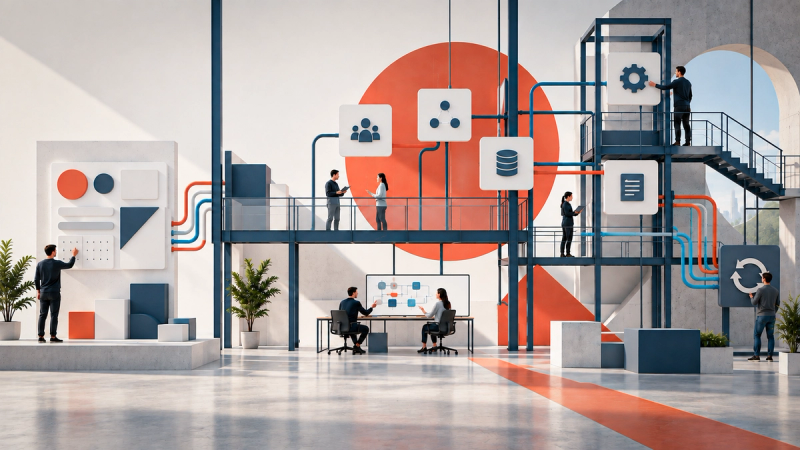
Building components is the easy part. Building an organization capable of keeping a design system useful is something else entirely.
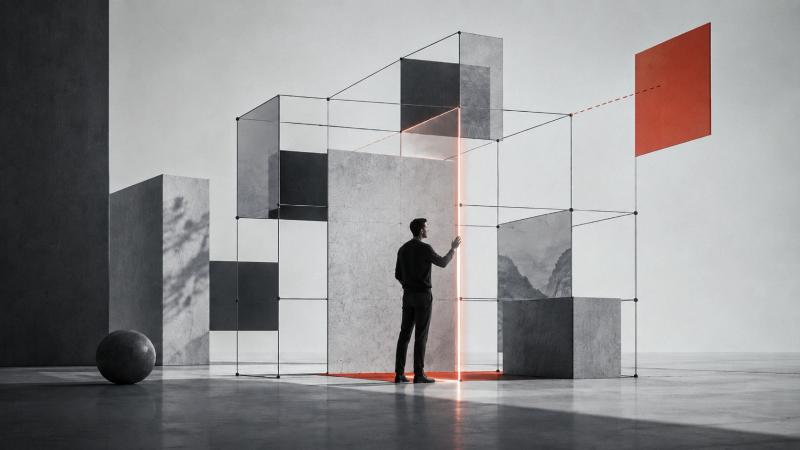
We cannot predict every way an AI agent might interpret us. The guardrail belongs where interpretation becomes a consequence.
Short answers to common questions.
Tell me what you’re building, changing, or trying to make better. You don’t need a polished brief.
Prefer email? [email protected]
I read every inquiry personally and usually reply within one business day.